
TL;DR
If you want your house to come back on automatically (including during overnight outages) and you have a reliable fuel supply like natural gas or propane, a permanently installed standby generator with a code-compliant transfer switch is usually the cleanest solution. If you’re mainly trying to run essentials for shorter outages and keep upfront costs down, a portable inverter generator paired with a proper inlet and transfer equipment is often the best value.
Either way, the “right” generator for a house is mostly about correct sizing for starting/surge loads and having a safe connection plan — those two things matter as much as the generator itself.
What Inverter Generators Actually Is
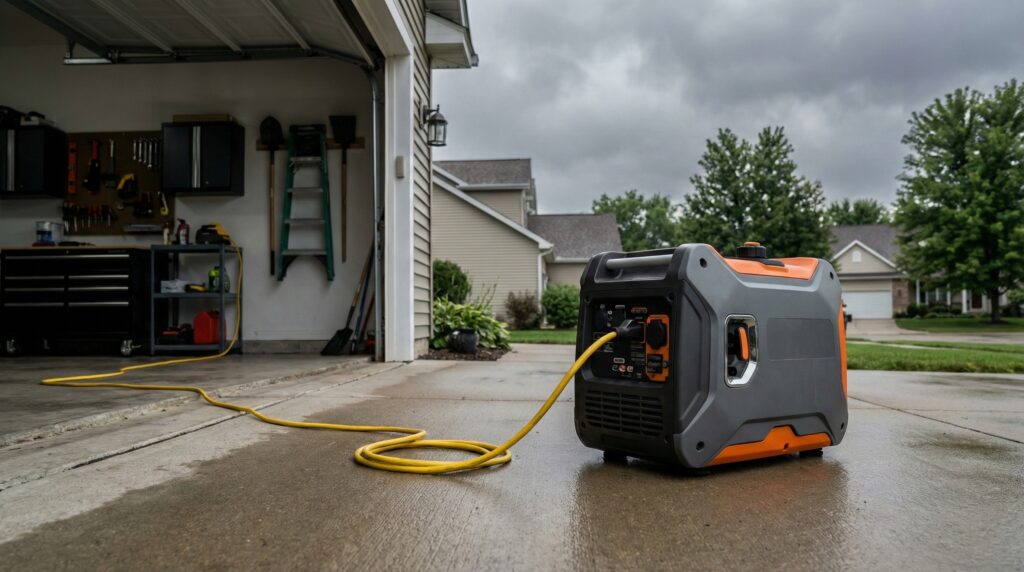
An inverter generator is a type of portable generator that makes electricity in a way that’s friendlier to modern electronics and easier to scale to what your home is actually using at the moment. In plain terms: instead of producing raw power that can fluctuate more, an inverter generator generates AC power, converts it to DC, then “inverts” it back to a stable AC output. That generally means cleaner power, less noise at partial loads, and better fuel efficiency versus many traditional open-frame portables.
For “generator for house” shopping, inverter generators usually show up in one of two roles:
- Essentials-only home backup (most common): Run your fridge/freezer, some lights, internet router, phone charging, maybe a microwave, and possibly a furnace blower — typically through a manual transfer switch or an interlock + inlet installed by a licensed electrician.
- Selective whole-home feel (less common, higher output units): With a larger inverter generator (or two paralleled units), you can power more circuits — sometimes even a well pump or smaller central A/C setup if starting loads are handled correctly.
The formula that matters most looks like this:
Home backup success = (right generator type) + (right wattage for running + starting loads) + (safe connection method) + (fuel plan you can execute in a real outage).
That last part — fuel plan — is where many “generator for house” setups fall apart. A portable inverter generator that’s perfect on paper can become a hassle if you can’t store fuel safely, can’t get refills during regional emergencies, or can’t physically manage refueling and setup in bad weather.
Finally, safety and code compliance aren’t optional. A generator should be connected in a way that prevents backfeeding the grid (which can endanger utility workers and damage equipment). The common best practice is a properly installed transfer switch or interlock kit, per NFPA 70 (National Electrical Code). On the carbon monoxide side, the CDC carbon monoxide prevention guidance is clear: portable generators belong outdoors, away from doors, windows, and vents — never in garages or enclosed spaces.
Who Inverter Generators Fits Best
Inverter generators are a strong fit when you want a house-backup solution that’s lower cost than standby, more efficient and quieter than many conventional portables, and flexible enough to use for other jobs (camping, worksite tools, tailgating) when you’re not in an outage.
- You’re powering essentials, not “everything”: If your plan is fridge + freezer + a few lights + internet + device charging (and maybe a furnace blower), an inverter generator is often the sweet spot.
- You care about noise (neighbors, nighttime use, HOA concerns): Inverter generators typically run quieter at partial load because they can throttle down.
- You want better fuel efficiency at light loads: During many outages, you’re not pulling max wattage 24/7. Inverter units are often more economical in that reality.
- You’re willing to do a “real” connection setup: The best home experience usually means installing an inlet and transfer equipment so you’re not dragging extension cords through windows.
For some homeowners, the best “generator for house” experience is still a standby generator (especially if you want automatic start and multi-day runtime with minimal involvement). As one owner put it, “I have lost power here in the northeast for days (in all seasons) and have never had to drop load off my generator for anything.” — Northeast multi-day outages on r/Generator
Who Should Skip Inverter Generators
You should think twice about an inverter generator (as your primary house-backup plan) if your expectations or constraints point toward standby — or toward a different backup strategy entirely.
- You want automatic power without manual setup: If you travel frequently, have mobility limitations, or simply don’t want to be outside in a storm starting/refueling equipment, standby is usually the better match.
- You need to run big 240V loads continuously: Central A/C, electric water heaters, electric ranges, and large well pumps can push you into larger generator territory fast — especially when starting surge watts are counted.
- You can’t realistically manage fuel: Gasoline storage, rotation, and refueling logistics are often underestimated. Propane is easier to store long-term, but you still need tank planning and refill access.
- You don’t have a safe outdoor placement option: If your property layout makes it hard to keep the unit far from openings, or you can’t secure it from theft/weather, portable may be a poor fit.
If you’re leaning toward standby, be honest about the “all-in” scope: generator + transfer switch + permitting + electrical work (and sometimes gas plumbing). One owner described their baseline setup as, “I purchased an 11kw Generac (natural gas) and a 200A transfer.” — 2,500 sq ft home, whole-house standby on r/Generator
Price and Value
For a “generator for house,” the sticker price is only part of the budget. The bigger value question is: What does it cost to get safe, reliable power to the circuits you actually need?
Here’s the general cost framing most homeowners run into:
- Portable inverter generator path: You’ll pay for the generator itself, plus heavy-duty cords or (preferably) a power inlet + transfer switch/interlock installed by a licensed electrician. This path often wins on upfront cost and flexibility.
- Standby generator path: You’re budgeting the unit, an automatic transfer switch (often UL-listed transfer equipment is the norm in residential installs), plus pad, permitting, electrical labor, and potentially gas work. It’s more money upfront, but can deliver a much more “hands-off” outage experience.
From a value standpoint, we see the best outcomes when buyers:
- Start with a load list (what you must run, what you’d like to run).
- Size for starting watts (surge), not just steady-state running watts.
- Choose a connection method that’s safe and practical for their home layout (transfer switch or interlock + inlet per code).
Certification and compliance also matter for value and peace of mind. Look for equipment that meets applicable safety standards (for example, transfer switches commonly align with UL 1008, and portable generator assemblies may reference standards like UL 2201). You’re not just buying power — you’re buying a system that should behave predictably under stress.
Common Mistakes When Trying Inverter Generators
Most “generator for house” problems aren’t about a defective generator — they’re about planning gaps. These are the mistakes we see most often in customer reviews and owner discussions:
- Buying based on running watts only: Motor loads (fridge compressors, sump pumps, well pumps, HVAC blowers) can require big surge watts at startup. Undersizing can lead to tripped breakers, voltage sag, and frustrating “it runs… until it doesn’t” performance.
- Not planning the connection method first: If you intend to power circuits through your breaker panel, you’ll want a transfer switch or interlock + inlet setup designed for your generator’s output. This is a job for a licensed electrician in most cases.
- Underestimating fuel logistics: A portable inverter generator can be extremely practical — until you’re refueling in freezing rain every few hours or you can’t find gasoline locally.
- Risky placement (CO danger): Running a generator too close to the house, near open windows, or in a garage is a serious hazard. Follow the CDC’s generator CO safety guidance and your manufacturer’s placement instructions.
- Assuming “whole-house” means “everything at once”: Even a larger unit can require load management. Many successful setups are about choosing what runs simultaneously, not trying to power every appliance.
A common real-world mistake is assuming you’ll never have to think about loads once the generator is in. In practice, owners who are happiest tend to have a plan for what they’ll run and when — especially in multi-day outages. As one owner noted, “I have lost power here in the northeast for days (in all seasons) and have never had to drop load off my generator for anything.” — Northeast multi-day outages on r/Generator
FAQ
What size generator do I need to run my house?
Start by listing the circuits (or appliances) you want to run and separating running watts from starting/surge watts. Motor-driven loads — like a refrigerator, sump pump, well pump, or A/C — often draw a brief but high surge on startup. A good rule is to size so you can handle your largest starting surge plus your expected simultaneous running loads. If you want this done precisely, an off-grid solar installer or licensed electrician can help you convert nameplate specs (or breaker sizes) into a realistic generator target.
Can I run central A/C on a generator?
Sometimes, but it depends on your A/C’s starting requirements and your generator’s surge capability — especially for 240V systems. Many central A/C units have a high inrush current at startup, so buyers often add a soft-start device to reduce the starting surge. This can change what generator size is practical, and it’s worth discussing with an HVAC pro and a licensed electrician before you buy.
Do I need a transfer switch for a portable generator?
If you want to power home circuits through your electrical panel, you generally need transfer equipment (or an interlock kit) to prevent backfeeding, which is both dangerous and typically illegal. This is covered under NFPA 70 (National Electrical Code) requirements for safe generator connections. Many homeowners use a generator inlet + interlock kit (where allowed by local code) or a manual transfer switch for selected circuits. In either case, have it installed and inspected as required locally.
Which fuel is best for home backup power: natural gas, propane, or gasoline?
Natural gas is often the most convenient for long outages because you don’t refuel, but it depends on gas service reliability in your area and requires a compatible standby generator. Propane stores well long-term and is cleaner to handle than gasoline, but you need a tank plan and refill logistics. Gasoline is widely available and common for portables, but it requires safe storage/rotation and more frequent refueling. Your “best” fuel is the one you can reliably source during the kind of outage you’re planning for.
Where should I place a generator at home?
Portable generators should be operated outdoors only, away from doors, windows, and vents, because exhaust contains carbon monoxide. Follow both your manufacturer’s instructions and the CDC carbon monoxide prevention guidance. For standby generators, placement and clearances should follow manufacturer requirements and local code; an installer typically handles this as part of permitting and inspection.
What certifications should I look for in a house-generator setup?
For the generator itself, look for recognized safety certifications where applicable (portable generator assemblies may align with standards such as UL 2201). For transfer switches, many residential products reference UL 1008. Certifications don’t replace proper installation, but they’re a useful signal that the equipment has been evaluated against established safety benchmarks.
Looking for these on Amazon? Browse generator for house on Amazon →
Bottom Line
The best “generator for house” setup is the one you can run safely, size correctly for starting loads, and fuel realistically during an outage. For many homes, a portable inverter generator paired with a proper transfer setup is the best value; for hands-off, automatic coverage — especially in multi-day outages — a standby generator is often the better fit.
Before you buy, map your essential circuits, choose your fuel strategy, and talk to a licensed electrician about transfer equipment and code-compliant installation.
Affiliate disclosure: Some of the links in this article are affiliate links. We may earn a commission if you purchase through them.