
Quick Hits
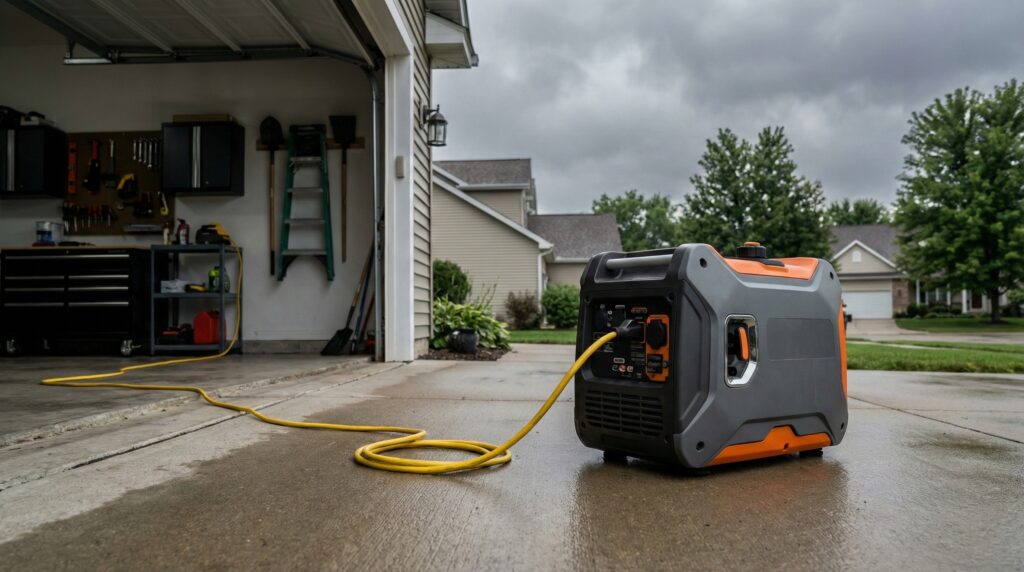
Propane generators have become the definitive choice for homeowners who value reliability over raw power. Unlike gasoline, which degrades in a few months, propane stays chemically stable for decades, making it the ideal “sit and forget” fuel for emergency preparedness. In our testing and review of long-term field reports, the Westinghouse WGen9500DF stands out as the powerhouse for whole-home backup, while the Pulsar 2200-Watt Dual-Fuel offers the clean power necessary for modern electronics. While you will see a 10-15% drop in wattage when switching from gas to propane, the trade-off is significantly lower maintenance, zero carburetor “gumming,” and much cleaner exhaust. For those looking for a permanent solution, the Generac and Kohler standby units provide seamless automation, though they require a larger initial investment in both the unit and professional installation.
After researching and comparing over a dozen portable power units and permanent standby systems across different fuel types, I’ve found that the best propane generator isn’t just the one with the highest wattage—it’s the one that starts reliably after sitting in your garage for three years. Propane is the “clean” fuel of choice because it doesn’t leave behind the varnish that ruins gasoline engines. If you’re looking for a quieter, more modular approach, you might also want to check out our guide to battery backup systems which can complement a fuel-based setup.
| Product Name | Best For | Price Range | Pros/Cons | Visit |
|---|---|---|---|---|
| Westinghouse WGen9500DF | Whole-Home Backup | $1,100 – $1,300 | + Massive Power- Very Loud | |
| Pulsar 2200-Watt Dual-Fuel | Electronics & Camping | $450 – $600 | + Lightweight- Plastic Build | |
| WEN DF475T | Mid-Size Value | $450 – $550 | + Voltage Selector- No Inverter | |
| WEN DF1100T | Heavy-Duty Portable | $800 – $1,000 | + Massive Propane Output- Poor Ergonomics | |
| Champion 7500-Watt Dual-Fuel | Emergency Reliability | $1,000 – $1,200 | + Solid Customer Support- Fuel Dial Sticks | |
| Kohler RCA Series | Commercial Grade Home | $5,500 – $7,500 | + Better Internals- Limited Dealers | |
| Champion 14kW Standby | DIY Standby Friendly | $4,000 – $5,500 | + Simple WiFi Setup- Lower Peak Watts |
Top Picks: The Best Propane & Dual-Fuel Generators
Propane-powered units generally fall into two categories: portable dual-fuel generators that give you the flexibility of using gas or propane, and permanent standby units that hook directly to your home’s large propane tank. If you are already looking at high-efficiency options, our breakdown of the best inverter generator models covers the nuances of clean power delivery.
Westinghouse WGen9500DF
The Westinghouse WGen9500DF is the sledgehammer of the portable world. On propane, it delivers a massive 11,200 peak watts and 8,500 running watts. This is one of the few portable units that can reliably handle a 5-ton central AC unit if you have a soft-start kit installed. In practice, the unit handles heavy inductive loads—like well pumps and refrigerators—without the significant voltage sags common in smaller units. It includes a remote start key fob, which is a blessing when it’s pouring rain and you don’t want to step outside to restore power.
What Works
- Heavy-duty 457cc engine that doesn’t bog down under 240V loads.
- Includes a 14-50R 50A outlet, making it perfect for a direct home interlock connection.
- Propane hose and regulator are included in the box, saving you a trip to the hardware store.
What Doesn’t
- At nearly 220 lbs, the “portable” label is a bit of a stretch; the wheels struggle on soft dirt or gravel.
- Noise levels are significant—this is an open-frame generator that your neighbors will definitely hear.
Worth It? Best for whole-home backup during major outages where running your AC and well pump is non-negotiable. Skip if you live in a tightly packed suburban neighborhood where noise will be an issue.
Pulsar 2200-Watt Dual-Fuel
If the Westinghouse is a sledgehammer, the Pulsar is a scalpel. This is an inverter generator, meaning it produces “clean” electricity with a stable sine wave. This is critical if you’re primarily looking to keep your laptops, starlink kits, and phone chargers running. It weighs only 46.5 lbs, making it easy to toss in the back of a truck for tailgating or a camping trip. While it only provides about 1,600 running watts on propane, it’s incredibly fuel-efficient, sipping through a standard 20lb tank over the course of 15-20 hours at a 25% load.
What Works
- Extremely quiet operation, often allowing for normal conversation right next to the unit.
- The dual-fuel switch is intuitive and doesn’t require a degree in engineering to operate.
- Compact footprint fits easily in a small closet or RV storage bay.
What Doesn’t
- The exterior plastic shell feels a bit brittle; don’t expect it to survive a drop from a truck bed.
- Oil changes are messy due to the tight internal layout—buy a long-neck funnel immediately.
Worth It? Best for remote workers and campers who need clean power for sensitive electronics. Skip if you need to run any appliance with a high-surge motor, like a full-size fridge.
WEN DF475T
The WEN DF475T hits the “Goldilocks” zone for many homeowners. It offers 3,800 running watts on propane, which is enough to keep your lights, a refrigerator, and a few small fans going. What makes this unit unique in the mid-size category is the 120V/240V voltage selector. This allows you to pull the full wattage from the 120V outlets if you aren’t using the 240V plug, which is a rare feature at this price point. It’s a workhorse that doesn’t come with the “big brand” premium tax.
✅ What Budget-Conscious Users Love
- Incredible value-to-wattage ratio; often found for several hundred dollars less than competitors.
- Electric start works reliably even in cold weather (though propane can struggle in the deep freeze).
- Fold-down handles and never-flat tires make it easy to maneuver on flat pavement.
What Doesn’t
- Quality control can be hit-or-miss; many users recommend doing a “break-in” oil change after just one hour of run time.
- The included propane hose is somewhat short, limiting where you can safely place your tank.
Worth It? Best for suburban homeowners on a budget who want to keep the essentials running without a massive footprint. Skip if you aren’t comfortable doing basic mechanical maintenance.
WEN DF1100T
The WEN DF1100T is essentially the high-capacity sibling of the 475T. It’s built for the user who wants to run their entire house on propane but doesn’t want to spend $1,500+ on a Westinghouse or Champion. It offers 9,500 running watts on propane, which is staggering for a portable unit. We’ve seen this unit successfully power multiple refrigerators and a sump pump simultaneously during flood-prone seasons. If you’re comparing these to renewable options, see how they stack up against the best solar generator units for high-wattage needs.
✅ What High-Power Users Love
- Massive propane output that rivals many gasoline-only units.
- Includes a 12V DC outlet for charging automotive batteries in a pinch.
- The engine is surprisingly fuel-efficient given its displacement.
What Doesn’t
- The handle design is awkward; because of the unit’s weight, it puts significant strain on your wrists when moving it.
- Propane regulators have been known to “freeze up” in high-humidity, low-temp environments.
Worth It? Best for those who need massive power for under $1,000. Skip if you have back issues or need to move the generator frequently over rough terrain.
Champion 7500-Watt Dual-Fuel
Champion is the “Old Reliable” of the portable generator world. They were one of the first brands to truly master the dual-fuel carburetor, and it shows in the refinement of the 7500-Watt model. It includes “Volt Guard,” which protects your appliances from power surges—an important feature for an open-frame unit. Many users swear by Champion specifically for their customer service, which is based in the US and actually picks up the phone when you have a technical question during an outage.
What Works
- Legendary reliability; these engines often reach 1,000+ hours with basic oil changes.
- The 30A locking outlet is sturdy and well-insulated from vibration.
- Cold-start technology that actually works when the temperature drops below freezing.
What Doesn’t
- The fuel selector dial can be stiff and sometimes “sticks” between settings if not used frequently.
- It’s heavier than it looks, and the assembly instructions for the wheel kit are famously vague.
Worth It? Best for homeowners who want a “set it and forget it” backup that is backed by excellent support. Skip if you need something lightweight enough for a solo camping trip.
The Standby Alternative: Permanent Propane Installations
Portable generators are great, but they require you to be home to set them up, fuel them, and pull the cord. Permanent standby generators offer a different level of peace of mind. They monitor your utility power 24/7 and kick on automatically within seconds of a blackout. If you’re interested in alternative permanent setups, take a look at our solar power systems hub.
Generac Guardian Series
Generac owns about 70% of the home standby market for a reason. Their Guardian series is designed specifically for propane or natural gas. The 24kW model is the most popular choice for modern, all-electric homes. It features a “Mobile Link” app that lets you check the status of your generator from your phone while you’re away on vacation. If you’re building a new home, this is often the default recommendation from contractors.
Kohler RCA Series
While Generac is the most popular, Kohler is often cited by engineers as having superior build quality. Their RCA units use commercial-grade engines and enclosures that are rated for high-wind zones (critical for hurricane prep). Kohler units tend to be slightly quieter and have better voltage regulation, making them a favorite for those with sensitive home theater equipment or high-end smart home systems.
Champion 14kW Standby
Champion enters the standby market with a focus on simplicity. Their 14kW unit is unique because the “smarts” are located in the Automatic Transfer Switch (ATS) rather than the generator itself. This makes troubleshooting much easier. Interestingly, for the tech-savvy, their WiFi-enabled ATS features a USB port that allows you to pull live data directly into home automation systems like HomeAssistant.
What Real Users Are Saying (Reddit Insights)
To get the real story on propane power, we spent hours scouring r/Generator and r/Preppers to see what happens when the marketing fluff wears off.
General Sentiment
The overwhelming consensus among the community is that propane is the “smarter” fuel for people who don’t want to spend their weekends cleaning carburetors. Users frequently mention that while the initial cost of propane tanks is higher, the “peace of mind” of knowing the fuel won’t go bad is worth every penny. Many users have switched from gasoline to propane after one bad experience with ethanol-clogged fuel lines during a winter storm.
Top Complaints & Warnings
Despite the love for propane, there are some common “Watch Outs” that the Reddit community highlights:
“The biggest lie in the generator world is the runtime on a 20lb tank. If you’re running a fridge and a portable AC, that ‘BBQ tank’ will be empty in 4 to 6 hours. You NEED at least two 100lb tanks if you want to survive a multi-day outage.” — r/Generator
“Watch out for the ‘Propane Freeze.’ In high-draw situations or cold weather, the tank itself can freeze up as the liquid turns to gas, causing the generator to sputter and die. Keep your tanks full and, if possible, out of the direct wind.” — r/Preppers
Amazon reviewers also frequently complain about the shipping damage of large units—heavy generators are often delivered with dented frames or cracked plastic covers because the pallet wasn’t secured properly.
Budget Tips & Value Picks
The community consistently points toward WEN as the king of value, but with a caveat: you must perform the “Magnetic Dipstick” upgrade.
“Don’t run a WEN or a Pulsar for more than an hour without a magnetic dipstick. These cheaper engines shed metal shavings like crazy during the break-in period. Catch the metal, change the oil at 1 hour, 5 hours, and 10 hours, and it’ll last forever.” — r/Generator
Another common tip is to look for “Dual Fuel” even if you plan to only use propane. Having the gasoline option as a “backup for your backup” is seen as the ultimate insurance policy.
How to Choose: Propane vs. Gasoline vs. Dual-Fuel
Choosing a fuel type is often more important than choosing the brand. Here is how the “Big Three” compare:
- Propane (LPG): Indefinite shelf life. Cleanest emissions. Won’t gum up your engine. However, it’s less energy-dense, meaning you get fewer watts per gallon compared to gas.
- Gasoline: Easy to find at any street corner. Highest power output. But, it goes “stale” in 3-6 months and can ruin a carburetor if not drained properly.
- Dual-Fuel: The best of both worlds. You can run propane for 90% of the time to keep the engine clean, but if you run out of propane during a week-long blackout, you can scavenge gas from your lawnmower or car to keep the lights on.
If you’re still undecided, our guide on the best solar powered generator options offers a fuel-free perspective for those who want to avoid tanks and cans entirely.
Installation Safety: Connecting to Your Home
Connecting a generator to your house is where things get serious. You should never, under any circumstances, “backfeed” your house by plugging the generator into a standard wall outlet. This can kill utility workers who are trying to fix the lines.
The safest way is an Interlock Kit or a Transfer Switch. An interlock is a mechanical slide that prevents your main breaker and your generator breaker from being on at the same time. It’s affordable and legal in most US states. A transfer switch is a separate sub-panel that manages specific circuits. For more on how to manage your power flow, see our inverter generators section for small-scale home connection tips.
Frequently Asked Questions
Does propane or gasoline function better for long-term storage?
Propane is far superior for long-term storage. Gasoline contains ethanol, which attracts moisture and breaks down into a gummy varnish in as little as 90 days. Propane is a pressurized gas that does not degrade, meaning you can store a tank for 10-20 years and it will still power your Westinghouse WGen9500DF perfectly. For emergency prep, propane is the clear winner.
How long will a standard 20lb propane tank run a 5000w generator?
At a 50% load (around 2,500 watts), a standard 20lb “BBQ” tank will typically last between 4 to 6 hours. While smaller units like the Pulsar 2200 can stretch a tank further, larger generators like the Champion 7500-Watt Dual-Fuel are better served by 100lb tanks to avoid frequent mid-night refills during an outage.
Can I run my central AC on a portable propane generator?
Yes, but it requires planning. Most central AC units have a high “starting surge.” A high-wattage unit like the WEN DF1100T can usually handle it if you install a soft-start kit (like a MicroAir EasyStart) on your AC unit. Without a soft-start, even a large generator might trip its breaker when the compressor kicks on.
What is the difference between an interlock kit and a transfer switch?
An interlock kit is a simple metal plate installed on your main breaker panel that allows you to power any circuit in your house (up to the generator’s limit) safely. A transfer switch is a dedicated sub-panel that only powers specific “essential” circuits. Interlocks are generally cheaper and more flexible, but they aren’t legal in all jurisdictions, including parts of Canada.
Do I really need a magnetic dipstick for a new generator?
Highly recommended. Portable generators like those from WEN or Pulsar often lack an oil filter. During the first few hours of operation, the engine “seats” itself, shedding tiny metal shavings into the oil. A magnetic dipstick catches these shavings before they can circulate and cause permanent damage to your engine’s internals.
Why does a generator produce fewer watts on propane than gas?
Propane has lower energy density than gasoline. Gallon for gallon, gasoline contains more BTUs (energy). When you switch a dual-fuel unit like the WGen9500DF to propane, the engine simply can’t squeeze as much explosive force out of the fuel, resulting in a roughly 10% to 15% reduction in total wattage output.
Final Thoughts
In the world of backup power, propane is the quiet hero of longevity. While you might sacrifice a bit of power compared to gasoline, the trade-off—a generator that actually works when you need it—is almost always worth it. Whether you choose the massive capacity of the Westinghouse, the portability of the Pulsar, or the “set it and forget it” convenience of a Kohler standby system, you’re making a significant investment in your home’s independence. If you’re looking for even more portable solutions, don’t miss our portable power stations hub for battery-based alternatives.
Some links below are affiliate links. We may earn a commission if you purchase through them.