
TL;DR
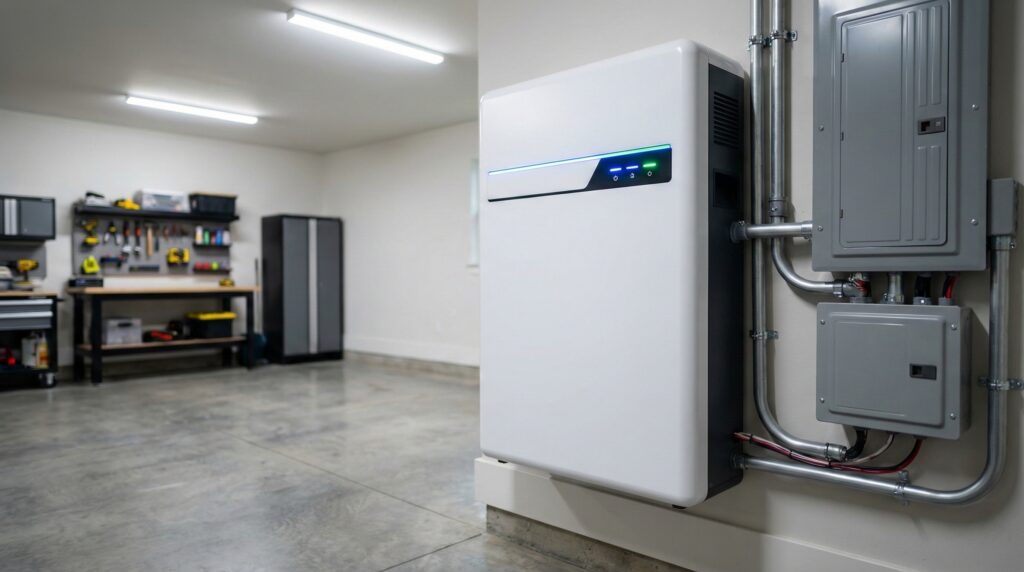
For most homeowners, the right outage backup is a LiFePO4 power station that can handle essential loads without being so large that it becomes hard to place, move, or recharge. We like models that balance usable runtime, enough inverter headroom for motor-driven appliances, and practical home-backup features like app monitoring, pass-through charging, and compatibility with a safe backup workflow.
Top Recommended Backup Powers for Home Outages
| Product | Best For | Price | Pros/Cons | Visit |
|---|---|---|---|---|
| Jackery Solar Generator HomePower 2000 Plus v2 | Best overall for most homes | $899.00 – $1719.00 | Strong fit for outage backup and essential loads; still a sizable investment for basic needs | Visit Jackery |
| Anker SOLIX F3800 Plus Portable Power Station | Best expandable home-backup option | $3000 – $4500 | Built for larger backup roles and broader home coverage; more capacity than many households need for simple overnight essentials | Visit Anker |
| AC200L | Best value for essential circuits | $830 – $970 | Lower entry price for serious outage backup; less room to grow than larger whole-home leaning systems | Visit Bluetti |
Top Pick: Best Overall Backup Powers for Home Outages
Jackery Solar Generator HomePower 2000 Plus v2
Best for: Homeowners who want one well-rounded battery backup for a refrigerator, internet gear, lights, phone charging, and selected overnight essentials during a typical blackout.
The Good
- Directly positioned for home outage use rather than camping-first use
- Capacity tier is a strong fit for running core essentials through an evening or overnight outage
- Solar-generator format gives you the option to extend runtime beyond wall charging when conditions allow
- A practical middle ground between small portable stations and very large partial-home systems
- Good fit for buyers who want a backup solution before stepping up to a permanent installed battery
The Bad
- Price is still meaningful if you only need to keep a router, phones, and a few lamps running
- Like any portable station in this class, it is not a realistic substitute for central HVAC or large electric heat loads
- Solar recovery depends heavily on panel setup time, weather, and available sunlight during an outage
Our Take: This is the best overall pick because it most neatly matches what many households actually need during a 12- to 24-hour outage: enough battery for essentials, a size that makes sense indoors, and a clear home-backup focus without jumping immediately into a much larger and costlier system.
For most homes, the smart move is to size backup power around essential loads first, not around the biggest number on the box. A refrigerator, modem, router, several LED lights, laptops, phone charging, and perhaps a CPAP are the loads that matter most for many outages. The U.S. Department of Energy generally points buyers toward load planning first, and that approach lines up with what we see here: capacity matters for runtime, but inverter output and surge headroom matter just as much if you want motor-driven appliances to start reliably.
That is why the Jackery earns the top spot. It lands in the right use case for people who want more than a small emergency battery, but who are not trying to cover an entire home for days at a time. In a realistic outage scenario, this is the kind of station we would look at for a refrigerator cycling on and off, networking gear staying live, a few lights, and routine device charging. It is also easier to justify than a giant partial-home battery if your main goal is staying comfortable and functional through common utility interruptions.
There are limits, and they matter. A portable power station in this class is generally not the right answer for central air conditioning, electric dryers, resistance heaters, or other large 240V household loads. Even when a unit can technically run a microwave for short bursts, that kind of usage drains capacity quickly. If your critical loads include a deep-well pump, sump pump with a demanding startup surge, or multiple kitchen appliances at once, you may need to step into the next size class or speak with a licensed electrician about safe circuit integration.
We also like that this kind of backup setup fits established safety guidance better than trying to improvise during a storm. Indoor-rated battery stations avoid the carbon monoxide hazard that comes with fuel-burning generators, which is why agencies such as the CDC carbon monoxide safety page remain essential reading for anyone comparing outage options. For battery placement, charging, and damage precautions, review NFPA lithium-ion battery safety before setting up any indoor backup system.
Anker SOLIX F3800 Plus Portable Power Station
Best for: Buyers planning for larger loads or partial-home backup during longer outages, especially if they may expand beyond a basic refrigerator-and-lights setup later.
The Good
- Strong fit for outage-focused backup rather than casual portable use
- Larger-capacity platform makes more sense for refrigerators, freezers, and pump-related backup planning
- A better match than smaller stations for households expecting their backup needs to grow
- Brand line is widely associated with home-backup positioning and larger-system flexibility
The Bad
- Likely overkill for apartment dwellers or households that only need internet, lights, and phone charging
- Bigger systems bring more weight, more placement concerns, and a higher overall budget
- For many buyers, this class of unit is less portable in day-to-day use
Our Take: If your outage planning already includes a refrigerator plus other heavy essentials during a 24-hour blackout, this is the step-up pick that makes more sense than buying small and replacing it later.
The Anker SOLIX F3800 Plus stands out for people who are already thinking beyond emergency basics. If your priority is keeping a single fridge cold and your router alive, this class can be more than you need. But if you are trying to cover multiple cold-storage appliances, longer runtimes, or a broader slice of household life during repeated outages, a larger expandable platform becomes a lot more logical.
This is also the kind of unit to consider if startup wattage is a recurring concern. Refrigerators, chest freezers, and pumps do not just need runtime; they need enough inverter muscle to start cleanly. Research and consumer testing both suggest that many disappointment stories in outage prep come from buying for watt-hours alone, then discovering the unit struggles with surge demand. A larger backup-oriented platform reduces that risk, though you still need to check your actual appliance labels before buying.
It is worth being honest about the tradeoff. Bigger backup stations solve some runtime and output problems, but they create portability issues. If one person cannot safely move the unit where it needs to go during a storm, some of that theoretical advantage disappears. For buyers who want to connect a battery station to selected home circuits rather than running extension cords through the house, use a qualified electrician and a proper transfer setup. Never backfeed a home through an outlet.
AC200L
Best for: Shoppers who want a more affordable path into serious outage backup for a refrigerator, router, lights, and device charging during a night or weekend interruption.
The Good
- Lower entry price than many larger flagship home-backup stations
- Directly aligned with outage backup shopping rather than just recreation use
- A practical fit for buyers who need meaningful capacity without moving into premium whole-home leaning territory
- Good option for essential-load planning in small to mid-size homes
The Bad
- Less headroom than larger systems if you expect to add more appliances later
- May require tighter load management during a longer outage
- Still too large to think of as a lightweight carry-anywhere unit
Our Take: If you want solid outage protection at a lower cost and can live with a more careful appliance mix during a 12-hour outage, the AC200L is the value pick we would start with.
The AC200L makes the strongest case for buyers who want real home backup, not just a giant phone bank, but who do not want to pay for more capacity than they are likely to use. In practical terms, this kind of station is often enough for an essentials-first plan: cold food protection, communications, light, and charging. That makes it a better fit than very small units that look affordable up front but quickly run into inverter or runtime limits.
The caveat is that value in outage backup depends on discipline. If you buy a mid-tier station and then expect it to power a microwave, coffee maker, space heater, refrigerator, and TV in the same window, you will probably be disappointed. But if you manage loads sensibly and prioritize what really matters, a station in this class can be a smart and cost-effective emergency tool.
How to choose the best backup power for home outages
The first step is making a list of your essential loads. Start with the appliances and devices you truly care about in an outage: refrigerator, freezer, modem, router, lamps, phone charging, laptops, CPAP, medical equipment, sump pump, or a pellet stove igniter and fan. Write down each device’s running watts and, for anything with a motor, its startup watts too. That second number is where many backup plans fail.
Battery capacity, expressed in watt-hours, tells you how long a station can run your loads. Inverter output, expressed in watts, tells you what it can run at all. A station can have enough stored energy to run a refrigerator for hours on paper and still fail if it cannot handle the compressor startup surge. That is why larger motor-driven loads need extra headroom.
Battery chemistry matters too. For a backup role, we strongly prefer LiFePO4 because it is generally regarded as more durable over repeated cycles and better suited to long-term ownership than older battery types. It is not a free pass on safety, though, which is why placement, charging practices, and damage inspection still matter. The NFPA lithium-ion battery safety resource is a good baseline before you commit to indoor storage.
Recharge speed deserves more attention than many buyers give it. For home outages, wall charging is often more practical than solar because it lets you top off quickly between storms or during short service restorations. Solar can absolutely help in longer outages, but only if you have realistic expectations. Output depends on weather, season, panel angle, and setup time. If you want to estimate likely solar production at your location, the NREL PVWatts solar calculator is a useful planning tool, and DOE solar PV basics explains the fundamentals in plain language.
Portability is the other issue many people underestimate. A larger station may look like the obvious better buy, but if it is too heavy to move safely from storage to use, or if it has no clear home location near the loads you care about, it becomes less useful in a real emergency. For some households, one mid-size station placed deliberately beats a huge unit that is awkward to deploy.
Home-backup features that matter more than camping features
Outage use is different from weekend recreation use. At home, convenience features can become core features. UPS-style or near-instant switchover matters if you are trying to keep internet gear, a work setup, or a medical device from dropping unexpectedly. App monitoring matters because it lets you see remaining runtime, input and output levels, and charging status without guessing in the dark.
We also put more weight on pass-through charging behavior for outage use than for camping. If a station can recharge while also supporting loads during unstable utility conditions, it can be much easier to live with. That said, always follow the manufacturer’s own guidance on pass-through use and temperature limits.
If you want to connect a power station to selected home circuits, treat that as an electrical project, not a convenience hack. Use a transfer switch, inlet, or other approved setup installed by a licensed electrician. Authority guidance is clear here: backfeeding through a wall outlet is unsafe for you, your home, and utility workers.
Noise and fan behavior matter indoors too. A unit that sounds fine in a garage or at a campsite may feel much more intrusive when it is running in a bedroom hallway overnight beside a CPAP setup or networking gear. User feedback often highlights this kind of day-to-day livability issue, so do not focus only on big performance claims.
FAQ
What size backup power station do I need for a refrigerator, router, lights, and CPAP during an outage?
For many households, a mid-size station around the same general class as our top pick makes the most sense. A refrigerator usually drives the sizing decision because it combines meaningful energy use with startup surge demand, while a router, modem, LED lights, and CPAP are comparatively modest loads. The key is to add your actual running watts, then leave surge headroom for the fridge compressor. If you are also trying to cover a sump pump, microwave, or freezer, move up in inverter output and battery capacity rather than trying to stretch a smaller unit.
How long will a given Wh capacity run common home essentials?
A watt-hour rating is a starting point, not a guarantee of exact runtime. Actual runtime is lower because of inverter losses, battery management overhead, temperature, and the fact that some appliances cycle on and off rather than drawing a steady load. As a rough planning method, divide the battery’s watt-hours by your average load in watts, then reduce your expectation to allow for conversion losses and real-world behavior. That gives you a more realistic estimate than reading the battery number literally.
Can a portable power station run a sump pump, microwave, or space heater?
Sometimes, but those are exactly the loads that separate a true home-backup station from a smaller emergency unit. Sump pumps and refrigerators need startup surge headroom, while microwaves and space heaters can pull high continuous power. A station may run one of these loads by itself and struggle if other appliances are active at the same time. Always check the appliance label and compare both running and startup demand to the station’s limits. When in doubt, size up.
Is solar charging worth it for home outages?
It can be, but it is often less practical than buyers expect. For many people, fast AC wall charging is the more important feature because it lets you refill the battery between outages or during short restoration windows. Solar becomes more useful when outages are long, sunlight is reliable, and you have a realistic place to deploy panels. If you want to estimate likely output in your area, the NREL PVWatts solar calculator can help ground those expectations.
What is the difference between a portable power station, a UPS, a gas generator, and a permanent home battery?
A portable power station is an indoor-rated battery with outlets and charging options, making it convenient and quiet for essential loads. A UPS is usually smaller and designed to bridge very short interruptions for electronics, not to run a refrigerator overnight. A gas generator can run larger loads for longer if fueled, but it must stay outdoors because of exhaust danger, as covered by the CDC carbon monoxide safety guidance. A permanent home battery is installed, usually tied to selected circuits or solar, and is the most seamless option but also the biggest investment.
Can I connect a power station to my home circuits safely?
Yes, but only with the right equipment and installation. If you want a cleaner setup than extension cords, use a transfer switch, inlet box, or another approved method installed by a licensed electrician. Never backfeed power through a dryer outlet or wall receptacle. That shortcut is dangerous and can put utility workers at risk.
Why do experts keep emphasizing LiFePO4 for outage backup?
Because it is generally a strong fit for repeated-use backup ownership. LiFePO4 chemistry is widely preferred for longevity, stability, and long-term value compared with older approaches, especially when the unit may sit charged for emergency use and then cycle repeatedly during storm season. Even so, buyers should still follow storage and charging precautions and review NFPA lithium-ion battery safety for indoor placement and handling basics.
When should I choose a larger expandable system instead of a lower-cost mid-size station?
If your outage plan already includes multiple refrigerators, a freezer, pump loads, longer runtimes, or the possibility of powering selected circuits later, a larger expandable platform is often the better buy. If your main goal is simply to keep food safe, phones charged, and internet running through common outages, a mid-size station is usually easier to justify on cost, size, and portability.
Looking for these on Amazon? Browse best backup power for home outages on Amazon →
Bottom Line
The Jackery Solar Generator HomePower 2000 Plus v2 is our top recommendation for most homeowners because it best matches the real-world job: keeping essential devices and appliances running during common outages without forcing you into a much larger system than you need. If your backup goals may grow into partial-home coverage, the Anker SOLIX F3800 Plus is the natural step up, while the AC200L is the strongest value play for buyers who want dependable essentials-first protection at a lower cost.
Affiliate disclosure: Some of the links in this article are affiliate links. We may earn a commission if you purchase through them.